Source Thumb Wrist Splint for Sports, Injury, and Daily Use
Compare 30 thumb wrist splint options from verified Chinese manufacturers. These products feature materials like nylon and aluminum alloy, offering support for sports, injury rehabilitation, and daily life applications with customizable sizes and OEM services; compare the available evidence and request quotations based on your requirements.
Key considerations
Products List


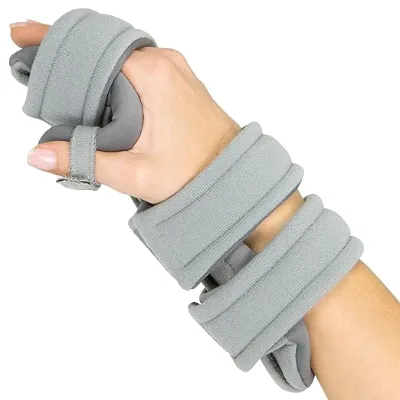
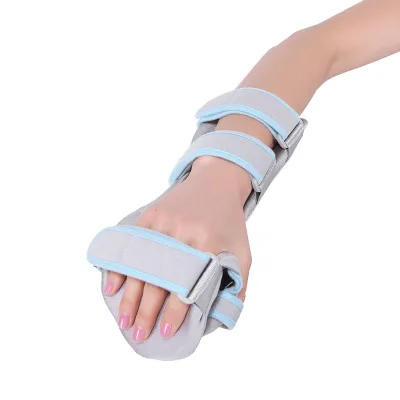


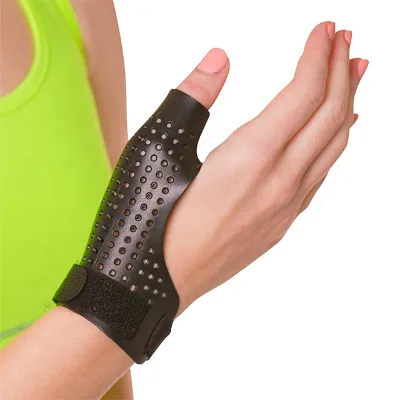
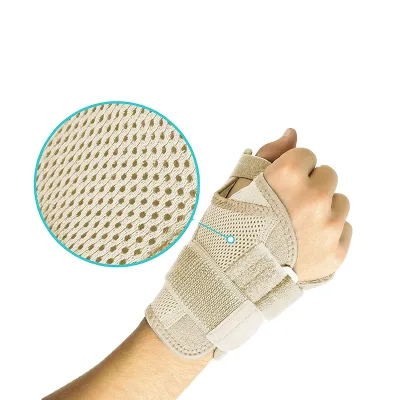


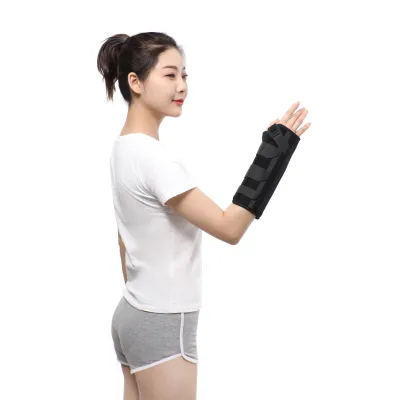
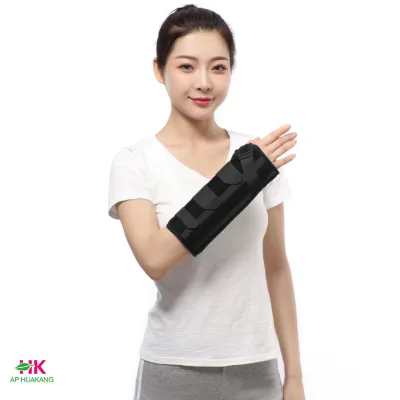
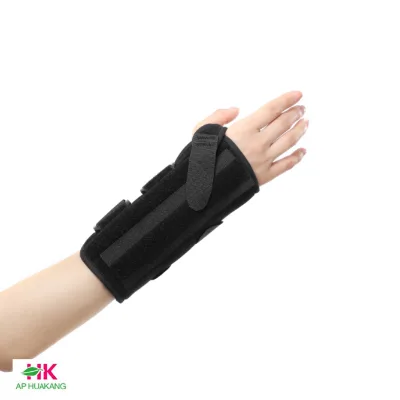
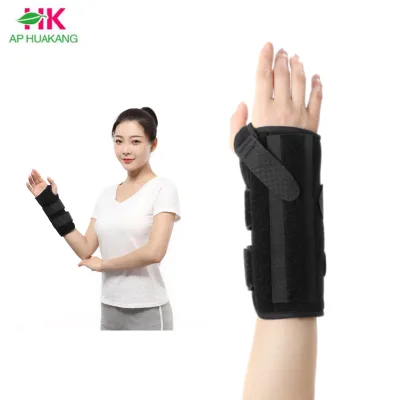
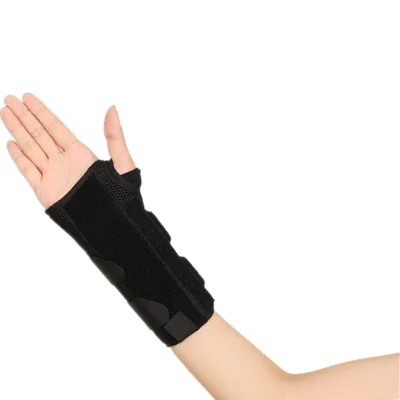
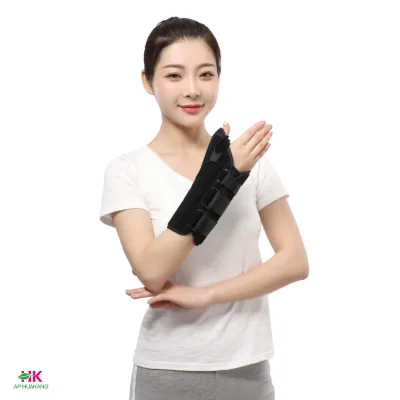

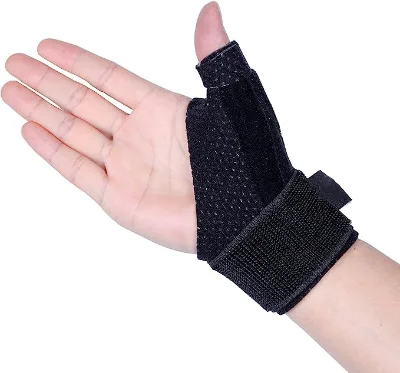


Comprehensive Sourcing Guide
Thumb Wrist Splint Sourcing Guide
Procuring thumb wrist splints requires a clear understanding of the diverse product landscape available from manufacturers, particularly those based in major Chinese production hubs like Fujian and Hebei. Buyers must navigate a market where products range from simple elastic supports to complex orthotic braces designed for fracture fixation and rehabilitation therapy. The observed listings indicate a strong presence of customizable options, allowing businesses to tailor products for specific medical or sports applications. This customization extends to branding, with many suppliers offering OEM and ODM services to accommodate private label requirements.
The core keyword "thumb wrist splint" often overlaps with broader categories such as wrist braces, stroke hand splints, and general wrist joint orthoses. Sourcing teams should carefully distinguish between products intended for daily life sports support and those designated for serious medical indications like hand and wrist injuries. Understanding these distinctions is critical for ensuring that the purchased inventory meets the specific therapeutic or protective needs of the end-user. Misalignment between product function and intended use can lead to compliance issues or customer dissatisfaction, making precise specification verification an essential first step in the sourcing process.
Product Scope and Observed Listing Signals
The current market signals reveal a wide variance in material composition and structural design, which directly impacts the suitability of each product for specific buyer needs. Common materials observed include nylon, sponge, and aluminum alloy, often combined to provide both flexibility and rigid support. For instance, some listings highlight products made from sponge and aluminum, while others focus on nylon-based constructions. These material choices influence the comfort, durability, and therapeutic efficacy of the splint, requiring buyers to evaluate which combination best serves their target demographic, whether it be athletes seeking breathable support or patients requiring immobilization for fracture fixation.
Size and fit specifications also vary significantly across the observed listings, ranging from universal sizes to specific left and right-handed options in small, medium, and large dimensions. Some products are labeled with standard sizes like XS through XL, while others offer more granular sizing or even customized dimensions. This variability necessitates careful review of size charts and fit guidelines to prevent returns due to improper sizing. Additionally, the presence of non-waterproof attributes in some listings suggests that certain products are intended for indoor or controlled environments, whereas others may be designed for more active, outdoor use, further emphasizing the need for detailed product attribute verification before placing bulk orders.
Technical Specifications to Verify
Verifying technical specifications is paramount when sourcing thumb wrist splints, as the functional integrity of the device depends on precise engineering and material quality. Buyers should prioritize products that offer adjustable features, such as elastic breathable materials or rigid aluminum stays, to ensure proper immobilization and support for the wrist joint. The observed data indicates that some splints are designed for specific conditions, such as stroke recovery or general wrist support, which requires matching the product’s mechanical properties to the intended therapeutic outcome. It is essential to confirm whether the splint provides adequate compression and stability without compromising circulation or causing discomfort during extended wear.
Weight and packaging specifications also play a crucial role in logistics and end-user experience, with observed weights ranging from approximately 70g to 80g per unit. Packaging methods vary from individual plastic or OPP bags to bulk carton shipments, which can affect product protection and storage efficiency. Buyers must verify that the packaging is robust enough to prevent damage during transit, especially for products containing delicate components like aluminum alloys. Furthermore, understanding the shelf life, which is noted as three years in some listings, helps in managing inventory turnover and ensuring that products remain effective until they reach the end consumer.
Compliance and Safety Documentation
Compliance with international safety and quality standards is a non-negotiable aspect of sourcing medical and therapeutic devices, including thumb wrist splints. The observed listings frequently mention certifications such as CE and ISO, which are critical indicators of a manufacturer’s adherence to regulatory requirements in key markets like Europe and beyond. Buyers must request and verify these certification documents to ensure that the products meet the necessary legal and safety benchmarks for their target regions. Without proper certification, products may face customs delays, market rejection, or legal liabilities, making it imperative to validate the authenticity and scope of these certifications before finalizing any procurement agreements.
In addition to certifications, buyers should inquire about the specific standards under which the products are manufactured, such as those related to biocompatibility, mechanical strength, and labeling accuracy. While some listings mention standard sizes or models, the underlying technical standards governing these specifications may vary between suppliers. It is advisable to request detailed technical files that outline the testing procedures and quality control measures employed by the manufacturer. This documentation not only demonstrates the supplier’s commitment to quality but also provides valuable insights into the product’s performance and safety profile, helping buyers make informed decisions that mitigate risk and ensure regulatory compliance.
Cost Drivers and Commercial Terms
Understanding the cost drivers and commercial terms is essential for effective budgeting and negotiation when sourcing thumb wrist splints. The observed price range of $0.5 to $9.56 USD reflects significant variation based on factors such as material quality, customization level, and order volume. Products with advanced features, such as custom logos or specialized medical-grade materials, typically command higher prices. Buyers should analyze the cost structure to identify where value is added and ensure that they are not overpaying for unnecessary features while still maintaining the required quality standards. Negotiating volume discounts and clarifying payment terms can also significantly impact the overall cost efficiency of the procurement process.
Minimum Order Quantities (MOQs) and lead times are critical commercial terms that influence inventory management and cash flow. The observed MOQs range from as low as 5 units to as high as 10,000 units, offering flexibility for both small-scale testers and large-volume buyers. However, higher MOQs often come with reduced unit prices, so buyers must balance their order size against their storage capacity and sales forecast. Additionally, lead times can vary based on production schedules and customization requirements, so it is important to establish clear timelines and communication protocols with suppliers to avoid delays. Understanding these commercial dynamics allows buyers to optimize their supply chain and maintain a steady flow of product availability.
Supplier Qualification and Quality Control
Supplier qualification is a foundational step in ensuring the reliability and consistency of the thumb wrist splint supply chain. Buyers should conduct thorough due diligence on potential suppliers, verifying their business licenses, manufacturing capabilities, and quality management systems. The observed listings indicate that many suppliers offer OEM and ODM services, which suggests a level of manufacturing flexibility and expertise. However, buyers must assess whether the supplier has the necessary infrastructure to maintain consistent quality across large production runs. Requesting samples and conducting factory audits can provide valuable insights into the supplier’s operational standards and their ability to meet specific product requirements.
Quality control measures should be clearly defined and enforced throughout the production process to minimize defects and ensure product safety. Buyers should establish clear quality acceptance criteria, including visual inspections, dimensional checks, and functional tests, to verify that the products meet the specified standards. Implementing a robust inspection protocol, such as pre-shipment inspections, can help identify and rectify issues before the products are dispatched. Additionally, maintaining open communication with suppliers regarding any quality concerns and establishing a clear process for handling non-conforming products is essential for maintaining a high level of quality and customer satisfaction.
Long-Term Procurement Checks
Long-term procurement success depends on continuous monitoring and evaluation of supplier performance and product quality. Buyers should establish key performance indicators (KPIs) to track metrics such as on-time delivery, defect rates, and responsiveness to issues. Regularly reviewing these metrics allows buyers to identify trends and address potential problems proactively, ensuring a stable and reliable supply chain. Building strong relationships with suppliers based on transparency and mutual benefit can also lead to better cooperation and improved service levels over time. This long-term perspective helps in mitigating risks and optimizing the overall procurement strategy.
Furthermore, staying informed about changes in regulatory requirements and market trends is crucial for maintaining compliance and competitiveness. Buyers should regularly update their knowledge of relevant standards and certifications, ensuring that their products remain compliant with evolving regulations. Additionally, monitoring market dynamics and competitor activities can provide insights into emerging opportunities and challenges. By maintaining a proactive approach to procurement management, buyers can adapt to changes and continue to deliver high-quality thumb wrist splints that meet the needs of their customers while minimizing risks and costs.
FAQs
What materials are used in thumb wrist splints?
Thumb wrist splints typically combine aluminum alloy and sponge for structural support with nylon for comfort. These materials ensure the device remains durable while providing necessary flexibility for daily rehabilitation therapy and fracture fixation needs.
Can I customize the logo on these wrist braces?
Yes, customized logos are accepted for these products. Suppliers offer ODM and OEM services allowing buyers to personalize branding on the black or other available colors while maintaining the required medical specifications for wrist joint orthosis.
Which certifications do these splints hold?
These products hold CE and ISO certifications ensuring compliance with international safety standards. Buyers can verify these credentials when sourcing from manufacturers in Fujian or Hebei, China, to guarantee quality for fracture fixation and rehabilitation therapy applications.
How is the product packed for shipping?
Products are packed individually in plastic bags or OPP bags and then consolidated into cartons. This packaging method protects the new condition of the wrist support during transit while ensuring efficient handling for bulk orders of various sizes.
What is the minimum order quantity for these braces?
The minimum order quantity varies but can start as low as 100 pieces for specific models. Buyers should check individual listings as some suppliers may require up to 10,000 units depending on the customization level and specific model number selected.
Are these splints suitable for daily life use?
Yes, these wrist braces are designed for daily life, sports, and home rehabilitation. They provide comfortable support for hand and wrist injuries while remaining breathable and elastic to facilitate normal movement during fracture fixation or general joint support.